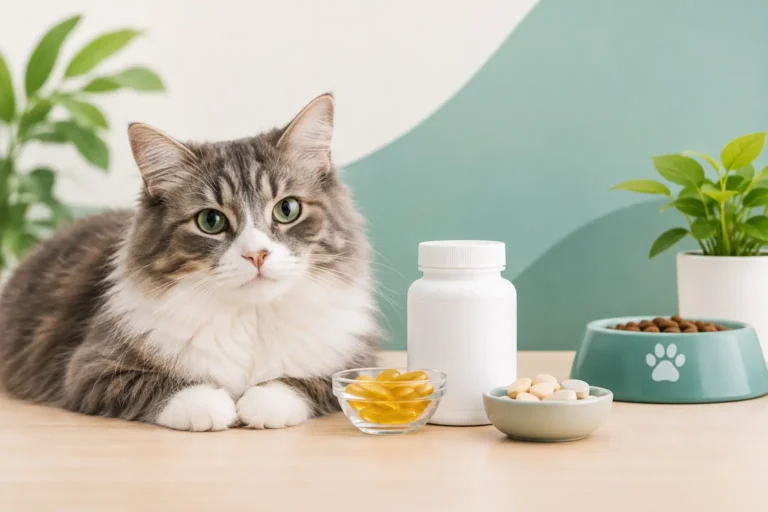
A cat who approaches their bowl eagerly but then drops biscuits, chews on one side or walks away may not be fussy. Cat dental discomfort can be remarkably easy to miss because many cats continue eating despite a painful mouth. Spotting small changes early gives your companion the best chance of staying comfortable at mealtimes, grooming normally and enjoying their usual affectionate routines.
Why cat dental care deserves attention
Dental disease is common in adult cats, and it can affect far more than breath. Plaque is a soft bacterial film that builds up on teeth. If it is not removed, it can harden into tartar, irritate the gums and contribute to inflammation. Over time, problems such as gingivitis, periodontal disease and tooth resorption may develop.
Tooth resorption is particularly relevant in cats. It occurs when the tooth structure breaks down, often close to or below the gumline, and it can be very painful. It is not something a dental treat, supplement or careful home routine can diagnose or cure. A veterinary examination is essential whenever there is a concern.
The challenge is that cats tend to conceal discomfort. A companion may still eat, play and seek attention while quietly adapting how they use their mouth. That is why routine observation and regular veterinary checks matter, even when there is no obvious crisis.
Signs your cat may have a dental problem
Bad breath is often the first change pet parents notice, but it is not the only one. A brief whiff after eating can happen, whereas persistent unpleasant breath deserves attention, particularly if it is paired with changes in eating or behaviour.
Look out for a combination of the following signs:
- Red, swollen or bleeding gums, yellow-brown tartar, loose teeth or visible changes around a tooth
- Dropping food, chewing slowly, favouring one side of the mouth or choosing softer food unexpectedly
- Drooling, pawing at the face, chattering the jaw or resisting touch around the head
- Reduced grooming, a scruffier coat, hiding more than usual or seeming unusually quiet or irritable
None of these signs confirms a particular condition on its own. Cats can drool or eat differently for several reasons, including nausea or other illness. However, mouth pain is common enough that a prompt call to your vet is the sensible next step.
If your cat has facial swelling, bleeding that does not stop, sudden refusal to eat, marked lethargy or appears to be in acute pain, seek veterinary advice urgently. Cats should not go without food for long, so a loss of appetite is never one to simply watch and wait on.
What happens at a veterinary dental check?
Your vet will examine your cat’s mouth as far as they can safely and comfortably, assess the gums and teeth, and discuss the changes you have noticed at home. A complete assessment often requires a general anaesthetic, because cats cannot reliably tolerate a thorough examination, scaling and treatment while awake.
Dental X-rays may be recommended. This can sound worrying, but much of a tooth sits beneath the gumline, where problems cannot be seen during a visual check. X-rays are especially helpful for identifying tooth resorption and planning the right treatment.
The appropriate care depends on the findings. Some cats need professional cleaning and polishing; others may need diseased teeth treated or extracted. The aim is not to preserve every tooth at all costs. It is to remove pain, manage infection or inflammation appropriately, and give your companion a comfortable mouth. Cats generally adapt very well after necessary extractions.
Do not attempt to scrape tartar from your cat’s teeth at home. It is stressful, may damage the gums or tooth surface, and does not address disease below the gumline. Human toothpaste is also unsuitable, as cats cannot spit it out and some ingredients can be harmful.
Building a realistic cat dental routine
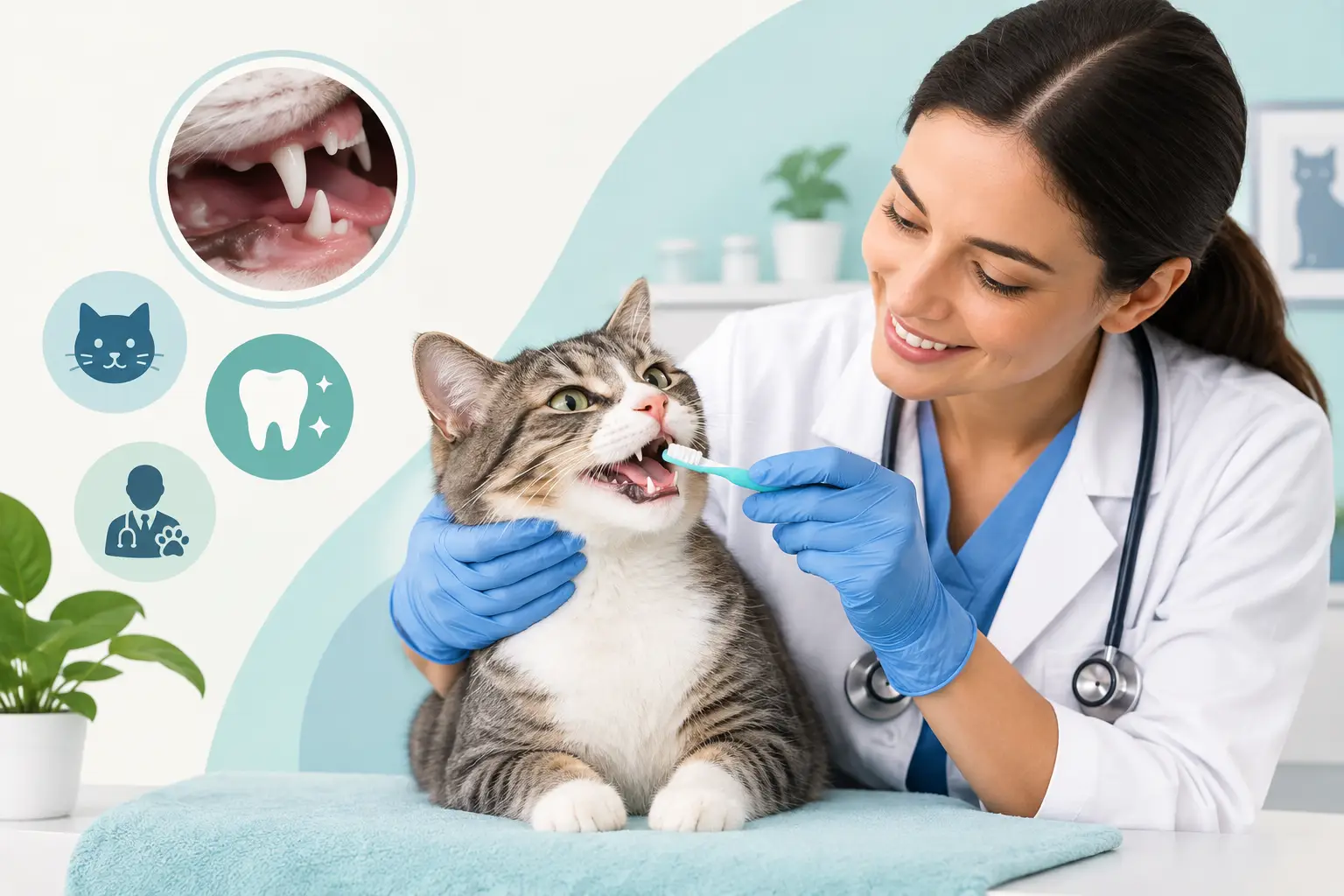
The most effective home habit for many cats is toothbrushing, because it physically disrupts plaque before it hardens. The best routine is the one your companion will accept calmly. Daily brushing is ideal, but gradual progress several times a week is more useful than an ambitious plan that creates fear.
Start when your cat is relaxed, perhaps after a meal or a quiet cuddle. Let them investigate a cat-safe toothpaste first. In the early sessions, simply touch the lips and offer a reward. Later, gently rub a finger or soft brush along the outer surfaces of the teeth, focusing on the gumline. There is no need to force the mouth open or brush the inner surfaces.
Use toothpaste designed specifically for cats. These products are made to be swallowed in small amounts and are often available in flavours cats find appealing. Choose a small, soft pet toothbrush or finger brush, and keep sessions brief. A calm ten seconds can be a success at the beginning.
It depends on your cat’s temperament, history and current oral health. A confident kitten may learn quickly, while a rescue cat with handling sensitivities may need weeks of patient, reward-based introductions. For some senior cats or cats with existing mouth pain, brushing may not be appropriate until a vet has examined them. Never push through resistance that could be caused by discomfort.
Where dental chews, diets and supplements fit
Dental chews, dental diets, water additives and oral-care supplements can support a broader routine, but they are not interchangeable with veterinary treatment or brushing. Their value depends on the formulation, your cat’s individual needs and whether they will actually use them consistently.
For cats who enjoy chewing, an appropriately designed dental chew may help reduce some plaque through its texture or active ingredients. Palatability matters here: a product cannot support a routine if it stays untouched in the cupboard. Treat-style formats can make daily care feel less disruptive, especially for cats who dislike having their mouth handled.
Check that any chew is suitable for cats, offered in the correct portion and does not add more calories than your cat needs. Chews should be supervised where appropriate, particularly for cats who gulp food. They are best viewed as one useful part of prevention, not a replacement for brushing or a solution for established tartar.
Nutrition also supports general wellbeing. A balanced complete diet, plenty of fresh water and maintaining a healthy body condition all help your companion feel their best. However, dry food alone should not be relied on to clean teeth. Many cats swallow biscuits with little chewing, and even those that crunch them can still develop plaque and gum disease.
If you are considering a dental supplement, look for a product made for cats, with clear feeding guidance and a purpose that matches your companion’s needs. Professionally developed, palatable formats can make consistency easier for pet parents, but it is wise to discuss any new product with your vet if your cat has a health condition, takes medication or has a painful mouth.
Prevention works best when it is calm and consistent
A useful cat dental plan is usually simple: regular checks of the mouth and eating habits at home, a gentle brushing routine where tolerated, suitable supportive products, and veterinary examinations at the interval your vet recommends. Younger cats benefit from good habits early, while older companions may need closer attention as dental problems become more likely.
Try not to judge success by perfectly white teeth or a flawless daily brushing streak. Success is noticing what is normal for your cat, responding early when something changes and making oral care feel safe rather than stressful. A comfortable mouth can make an everyday difference to how your companion eats, grooms, plays and settles beside you.